

Direct Support Professionals: Who They Are, Why They Matter and Why We Need More
Direct support professionals help people with intellectual and developmental disabilities live full lives in their communities. What DSPs do, why they matter, the national need and why the work is worth choosing.
DSP · IDD · workforce · careers
Training & eTracking Solutions · · 8 min read
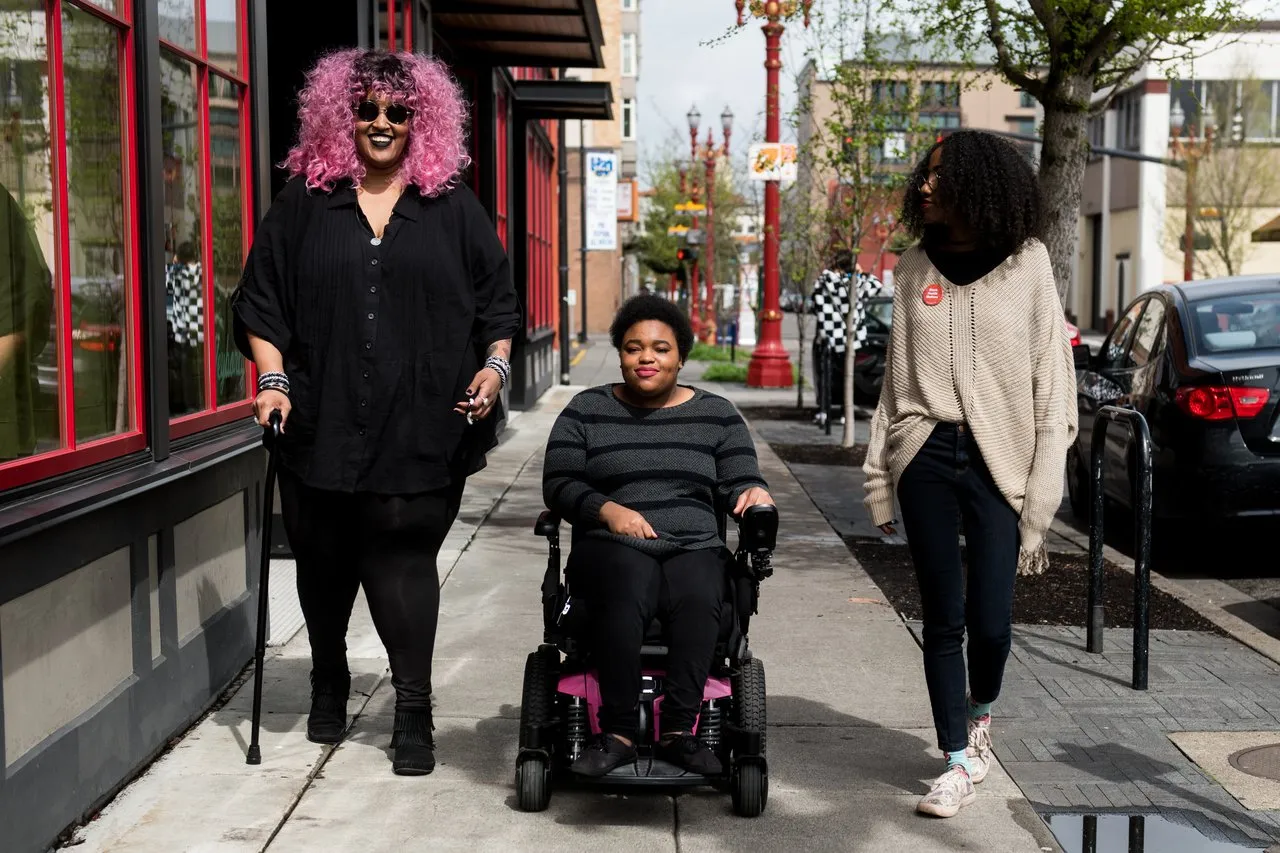
Every day, in family homes, apartments, workplaces, day programs and neighborhoods across the country, direct support professionals (DSPs) help people with intellectual and developmental disabilities (I/DD) do the things most of us take for granted. They help people get ready for the day, cook a meal, get to work, see friends, stay healthy and make their own choices.
The work rarely makes headlines, but community living depends on it. Here is who DSPs are, why their work matters, how large the national need has become, and why the role is worth choosing. It is also a thank-you.
What is a direct support professional?
A DSP is a paid professional who supports a person with I/DD to live the life that person chooses, with as much independence and inclusion as possible. A 2003 congressional resolution recognizing DSPs described them as workers who provide a wide range of day-to-day supports, including habilitation, health needs, personal care, employment, transportation, recreation and home management, so that people can live and work in their communities. That definition is cited in the 2017 report of the President's Committee for People with Intellectual Disabilities (PCPID).
The job goes by many names. The PCPID report lists titles such as direct support specialist, habilitation specialist, job coach, residential counselor, family care provider and personal assistant. DSPs work in people's own homes, family homes, small group homes, intermediate care facilities, job sites, and day and vocational programs.
What a DSP does depends on the person they support. On a given day, a DSP might:
- teach and practice daily living skills, like cooking, budgeting or riding the bus
- support medication routines, health appointments and healthy habits, and notice early signs that someone is unwell
- help a person find and keep a job, or join a class, a faith community or a local club
- support communication, including the use of assistive technology
- follow the person's individual plan and document the support provided
- stand beside the person as they speak up for their own rights and choices
The PCPID report describes DSPs as, in many ways, "interdisciplinary professionals." Like teachers, they teach new skills. Like nurses, they may give medications and document care. Like social workers, they connect people to community resources. Like counselors, they listen and offer suggestions. Many DSPs work alone, without a co-worker, supervisor or clinician on site, so the job calls for real skill and judgment.
The profession also has its own ethics. The NADSP Code of Ethics from the National Alliance for Direct Support Professionals is built around nine tenets: advocacy; confidentiality and privacy; justice, fairness, equity and inclusion; person-centered supports; physical and emotional well-being; professionalism, accountability and growth; relationships and social roles; respect; and self-determination and choice.
How DSPs compare with related roles
DSPs are often confused with nurse aides and home health aides. The roles overlap, but their focus and rules differ.
| Role | Main focus | Typical settings | Training rules |
|---|---|---|---|
| Direct support professional | Supporting a person with I/DD to live, work and take part in community life, with an emphasis on choice, skill-building and inclusion | Own and family homes, group homes, day programs, job sites, the wider community | Mostly set by each state's developmental disabilities rules and Medicaid waivers, so requirements vary. Maryland's, for example, are in COMAR 10.22.02.11. |
| Certified nurse aide | Basic nursing and personal care, such as bathing, help with eating, transfers and taking vital signs | Nursing facilities and other health care settings | At least 75 clock hours, including 16 hours of supervised practical training, for state-approved nurse aide programs (42 CFR 483.152) |
| Home health aide | Hands-on personal care and simple procedures under a written plan of care | Clients' homes, through home health agencies | At least 75 hours, including 16 hours of supervised practical training, plus 12 hours of in-service training a year, for Medicare-certified agencies (42 CFR 484.80) |
Why DSPs matter
For people with I/DD, community living is a right, and DSPs make it real. In Olmstead v. L.C. (1999), the U.S. Supreme Court held that the unnecessary segregation of people with disabilities is discrimination under the Americans with Disabilities Act. The Justice Department explains that people must be served in the community when community services are appropriate, the person does not oppose them, and the state can reasonably provide them. Medicaid's HCBS Settings Rule builds on that idea. It requires home and community-based settings to support full access to community life, protect privacy, dignity and choice, and use a person-centered planning process. Its transition period ended on March 17, 2023.
Rights on paper still need people to carry them out day to day. According to KFF, about 729,000 nonelderly people with I/DD used Medicaid long-term care in 2021, and nearly all of them (about 700,000) received it as home care rather than in an institution. ANCOR's 2025 workforce report puts it plainly: the nation's promise to include people with I/DD rests on the shoulders of its DSPs.
For families, a trusted DSP brings stability. When the same skilled person shows up week after week, families can work, rest and plan ahead. When that person leaves, everyone starts over. Turnover does more than disrupt schedules. In ANCOR's 2025 survey, 36% of providers said they were seeing more frequent reportable incidents because of staffing shortages, and 62% said they were struggling to achieve quality standards.
For communities, DSPs open doors. When people with I/DD work, shop, volunteer and join in local life, the whole community gains, and a DSP is often the person who makes those connections possible.
The national need
The demand for DSPs is large, and the workforce has not kept up.
- Turnover is high. The NCI-IDD State of the Workforce survey for 2024 covered 3,936 provider agencies and 344,179 DSPs. It found a weighted average DSP turnover ratio of 37.1%, ranging from 16.7% to 53.7% across states. Nearly two in three DSPs who left their agency in 2024 (64%) had been there less than a year.
- Many jobs sit empty. The same survey found average vacancy rates of 9.7% for full-time DSP positions and 13.2% for part-time positions.
- Providers are turning people away. In ANCOR's The State of America's Direct Support Workforce Crisis 2025, a survey of 469 I/DD providers in 48 states and D.C., 88% reported moderate or severe staffing challenges, and 62% had turned away new referrals because they didn't have enough staff. Over half (52%) were considering further program cuts if hiring and retention didn't improve, up from 34% in 2024.
- People are waiting. KFF counted about 607,000 people on Medicaid home care waiting or interest lists in 41 states in 2025, and 74% of them were people with I/DD. People with I/DD who moved from a list into services in 2025 had waited 37 months on average. KFF notes that waiting lists are an imperfect measure of need, and that they partly reflect how many workers are available.
The federal government does not count DSPs on their own. The Bureau of Labor Statistics has no DSP occupation, so many DSPs fall under home health and personal care aides (SOC 31-1120), a category that BLS says includes some aides who work specifically with people with developmental or intellectual disabilities. That category held 4,677,100 jobs in 2025. BLS projects it to grow 18% from 2025 to 2035, with about 760,500 openings each year. ANCOR and other groups have asked the Office of Management and Budget to create a separate DSP code in the 2028 revision of the occupational classification system, and BLS's tentative timeline calls for a final decision in 2027.
There are signs of progress, too. NCI found that the median DSP hourly wage rose from $15.98 in 2022 to $18.39 in 2024, and 14 of the 24 states that took part in both the 2023 and 2024 surveys saw turnover fall. Pay still lags, though. NCI found only one participating state where the median DSP wage met a living wage for a single adult. ANCOR ties low wages to Medicaid rates that haven't kept pace with inflation.
Why become a DSP?
You see the difference you make. Few jobs let you watch someone master a skill, land a job or build a friendship with your help. ANCOR's report notes that many DSPs come to the field for exactly that chance to make a difference in their communities.
You can start without a degree. Requirements depend on the state and the employer. BLS reports that home health and personal care aides, the closest federal category, typically need a high school diploma or equivalent and learn through short-term on-the-job training. Most states also set training topics and deadlines for new DSPs. In Maryland, for example, new staff must complete training in eight areas within three months of hire.
You can grow. In NCI's 2024 survey, 33% of agencies used DSP career ladders, 31% helped staff earn credentials, and 29% tied bonuses or raises to credentials. Experienced DSPs often become mentors, then frontline supervisors. NCI found an average of one frontline supervisor for every 10 DSPs. Some go on to program management and other leadership roles. Our post on moving from DSP to supervisor describes one path.
You build skills that last. DSP work builds communication, patience, problem-solving, health and safety know-how, careful documentation, and the judgment to act well when no one else is in the room. It can also be physically and emotionally demanding, and BLS notes that aides in the closest federal category may work evenings and weekends.
If you manage an agency, these same points are your recruiting message. Be honest about the hard parts, show the growth path, and invest in new hires during their first year, when NCI's numbers show most departures happen.
How we support DSPs and the agencies that employ them
At Training & eTracking Solutions (TES), our work is helping provider agencies train and support their DSPs. Our compliance pathways lay out the training required for a state, role or professional credential. Each pathway tracks what a learner has completed, what's still outstanding and when requirements come due again. That way managers spend less time chasing records and more time supporting their teams. You can also browse the full course catalog.
Thank you, DSPs
To every DSP who has shown up early, stayed late, covered a shift, celebrated a first paycheck, noticed something was wrong before anyone else did, or simply listened, thank you. You make inclusion real, one day and one person at a time. The country needs more people like you, and we're proud to support the work you do.
Common questions
- What does a direct support professional do?
- A direct support professional (DSP) supports a person with an intellectual or developmental disability to live the life they choose. Depending on the person, that can include help with daily living skills, health routines and medications, communication, finding and keeping a job, and taking part in community life.
- Is a DSP the same as a CNA or home health aide?
- No. The roles overlap, but certified nurse aides and home health aides focus on personal and basic health care under federal training minimums of at least 75 hours. DSPs focus on supporting people with I/DD to live, work and take part in their communities, and their training rules are mostly set by each state.
- Do you need a degree to become a DSP?
- Usually not. Requirements vary by state and employer. The Bureau of Labor Statistics reports that home health and personal care aides, the closest federal category, typically need a high school diploma or equivalent. Most states also require new DSPs to complete specific training within set deadlines.
- How serious is the DSP shortage?
- Serious. The NCI-IDD State of the Workforce survey found a weighted average DSP turnover ratio of 37.1% in 2024. In ANCOR's 2025 survey of 469 providers, 88% reported moderate or severe staffing challenges and 62% had turned away new referrals.
- Why doesn't the government track DSP jobs separately?
- The federal Standard Occupational Classification has no DSP occupation, so DSPs are mostly counted with other occupations such as home health and personal care aides. ANCOR and other groups have asked for a separate DSP code in the 2028 revision, and BLS's tentative timeline calls for a final decision in 2027.
- What helps agencies keep DSPs?
- Start with the first year. NCI found that 64% of DSPs who left their agency in 2024 had been there less than a year. Common retention tools in NCI's survey included realistic job previews (80% of agencies), DSP recognition programs (57%), career ladders (33%) and support for earning credentials (31%).
Sources
- America's Direct Support Workforce Crisis: Report to the President 2017 · DSP definition (citing the 2003 congressional DSP recognition resolution), job titles, settings and scope of work; BLS has no DSP-specific category
- The NADSP Code of Ethics · Professional association; tenets of the DSP code of ethics
- NCI-IDD State of the Workforce in 2024 Survey Report · 2024 data: 3,936 agencies, 344,179 DSPs; turnover ratio 37.1% (16.7%-53.7%); vacancy 9.7% full-time, 13.2% part-time; median wage $18.39/hr
- NCI State of the Workforce in IDD: 2024 Survey Results at a Glance · 64% of DSPs who left had under 1 year of tenure; wages 2022-2024; living wage gap; retention practices; 1 supervisor per 10 DSPs
- The State of America's Direct Support Workforce Crisis 2025 · · Survey of 469 I/DD providers in 48 states and D.C., fielded August-September 2025
- A Look at Waiting Lists for Medicaid Home- and Community-Based Services from 2016 to 2025 · · About 607,000 people on waiting or interest lists in 41 states; 74% I/DD; 37-month average wait for people with I/DD
- 5 Key Facts About Medicaid Coverage for People With Intellectual and Developmental Disabilities (I/DD) · · About 729,000 nonelderly people with I/DD used Medicaid long-term care in 2021; about 700,000 used home care
- Occupational Outlook Handbook: Home Health and Personal Care Aides · · SOC 31-1120: 4,677,100 jobs (2025); 18% projected growth 2025-35; about 760,500 openings a year
- Community Integration (ADA integration mandate and Olmstead v. L.C.) · Olmstead v. L.C. (1999) and the conditions for community-based services
- HCBS Settings Rule · Community integration and person-centered planning requirements; transition period ended March 17, 2023
- 42 CFR 483.152 Nurse aide training and competency evaluation programs · At least 75 clock hours, including 16 hours of supervised practical training
- 42 CFR 484.80 Home health aide services · At least 75 hours of training, including 16 supervised practical; 12 hours of in-service training a year